
 Skip to content
 This nationally recognised training unit provides participants with the skills and knowledge required to safely work at heights across a range of industries. The course focuses on hazard identification, risk assessment, fall prevention systems, safety equipment usage, and emergency response procedures to ensure compliance with workplace safety requirements.
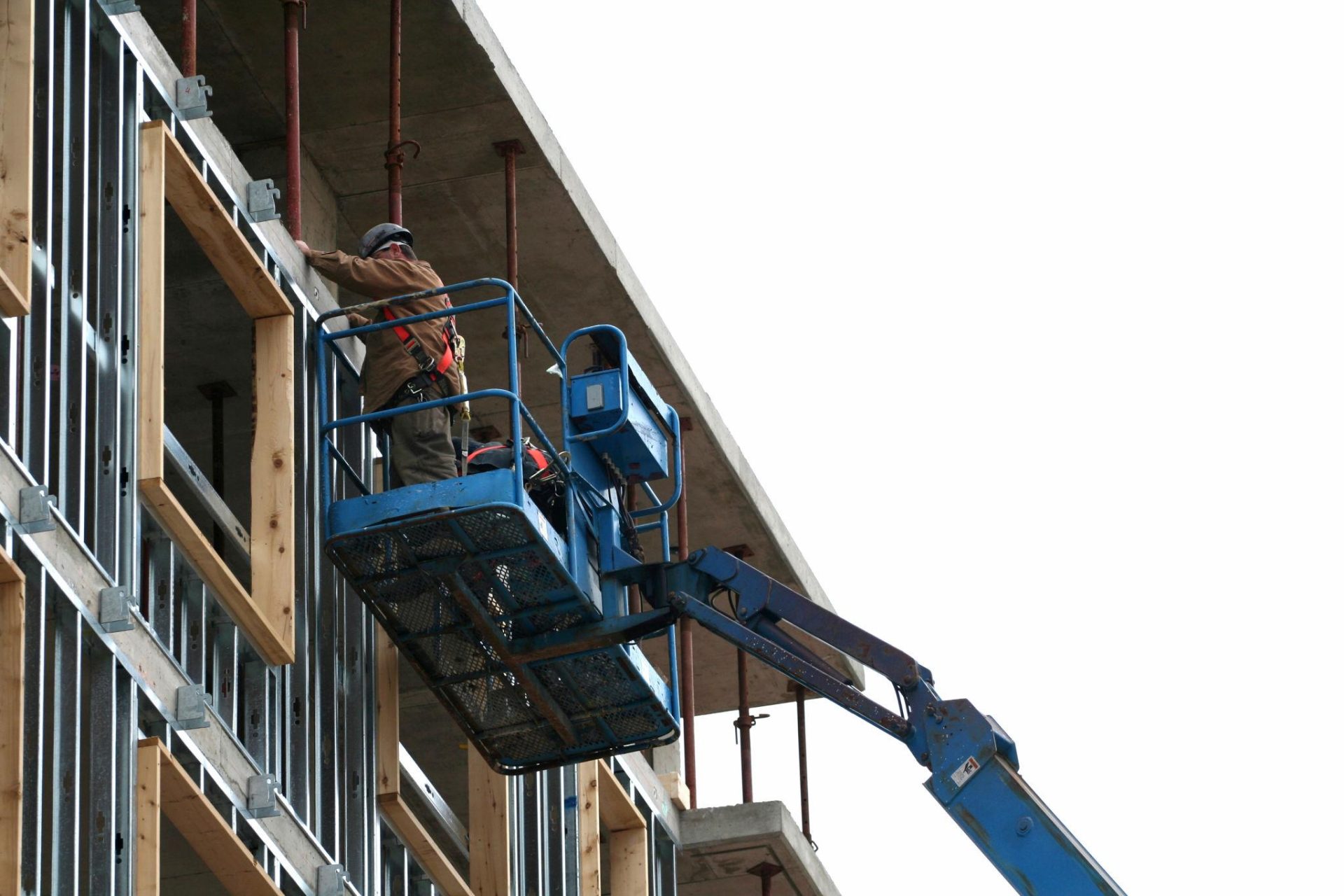
The Work Safely at Heights course is designed for workers in mining, construction, maintenance, telecommunications, utilities, and industrial sectors. Participants will learn how to identify height-related hazards, use fall protection equipment correctly, and perform work safely while meeting industry regulations.
Understanding legislation, responsibilities, and safety requirements.
Recognising fall hazards and workplace risks.
Conducting risk assessments before commencing work.
Understanding guardrails, anchor points, lifelines, and fall arrest systems.
Inspecting and correctly using harnesses, lanyards, and height safety equipment.
Applying safe work methods while working at heights.
Understanding rescue procedures and emergency preparedness.
Performing pre-use checks and identifying defective equipment.
Meeting legal and workplace safety obligations.
Hands-on training using height safety equipment and systems.
Covers safe work practices for working at heights
Learn fall prevention and safety equipment usage
Includes hazard assessment and emergency procedures
Suitable for mining, construction, and maintenance industries
Nationally recognised workplace safety course
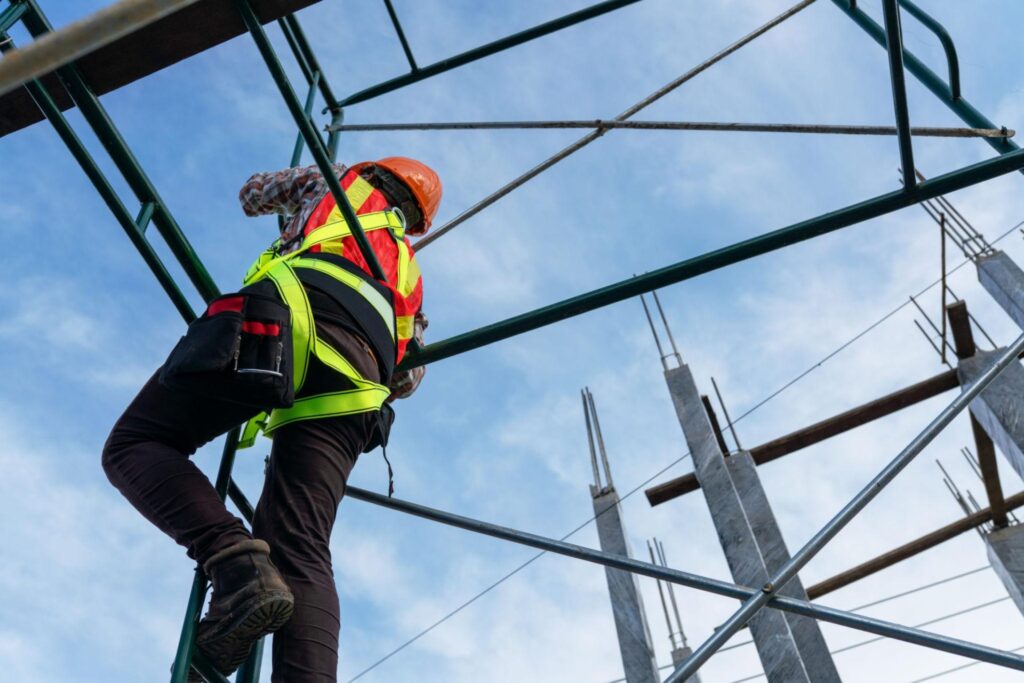
Develop the practical skills and confidence needed to safely perform work at heights while complying with workplace safety standards and industry regulations.
The RIIWHS204E – Work Safely at Heights course is a nationally recognised competency unit in Australia designed to equip workers with the essential skills and knowledge required to safely perform tasks at elevated work areas. This includes any workplace activity where a person could potentially fall and sustain injury.
Working at heights is considered one of the highest-risk activities across industries such as construction, mining, maintenance, telecommunications, oil and gas, and engineering. Falls from height remain one of the leading causes of serious workplace injuries and fatalities in Australia, which is why proper fall prevention training and height safety compliance is mandatory under WHS (Work Health and Safety) regulations. This course ensures that learners understand how to identify hazards, assess risks, use protective equipment, and respond effectively in emergency situations while working above ground level.
The unit RIIWHS204E Work Safely at Heights is part of the Resources and Infrastructure Industry Training Package in Australia. It is specifically designed to train workers in safe systems of work when operating at elevated locations.
This includes:
The course focuses on both theoretical knowledge and practical application of height safety systems, ensuring compliance with Australian workplace safety laws.
Obtaining working at heights certification is essential for individuals who perform any task where fall risks exist. Employers in Australia are legally required to ensure workers are adequately trained before allowing them to work in elevated environments.
Key importance includes:
Without proper height safety training Australia, workers and employers face significant legal and operational risks.
The RIIWHS204E Work Safely at Heights course Australia includes several core features designed to prepare learners for real-world workplace conditions:
Learners are trained in safe procedures to minimize risks while working above ground level, including proper planning and execution of tasks.
A major component of the course focuses on fall prevention training, including correct use of:
Participants learn how to conduct detailed risk assessment in construction environments, identifying potential hazards before work begins.
The course includes training on emergency response actions such as rescue operations, first aid coordination, and incident reporting.
Suitable for:
This is a nationally recognised WHS training Australia unit, accepted across all states and territories.
A critical component of the course is fall prevention training, which focuses on eliminating or reducing the risk of falling from heights.
This includes:
Fall prevention is always prioritized over fall arrest systems because prevention reduces risk at the source.
Workers are trained to properly use height safety PPE (Personal Protective Equipment) to ensure maximum protection.
Improper use of equipment is one of the main causes of workplace accidents, making this training essential.
One of the most critical skills covered in height safety training Australia is identifying hazards before starting work.
Common hazards include:
Workers are trained to perform structured inspections and report hazards immediately to supervisors.
The course includes detailed training on risk assessment in construction environments, ensuring workers can evaluate the likelihood and severity of potential incidents.
Steps include:
This systematic approach ensures compliance with Australian WHS standards.
A major focus of RIIWHS204E Work Safely at Heights is ensuring safe access to elevated areas.
In case of a fall or incident, workers must be prepared to respond effectively.
The course includes:
Proper emergency preparation significantly reduces injury severity and improves survival outcomes.
This qualification is essential in multiple high-risk sectors across Australia:
Under Australian WHS regulations, employers must ensure that all workers operating at heights are:
Failure to comply may result in:
A review of leading Australian training providers such as:
This content improves ranking potential by:
Completing RIIWHS204E Work Safely at Heights certification opens career pathways in:
Employers highly value this certification due to strict Australian safety standards.
The Work Safely at Heights course Australia (RIIWHS204E) is an essential qualification for anyone working in environments where fall risks exist. It ensures compliance with WHS legislation, improves workplace safety culture, and equips workers with practical skills to prevent and manage height-related hazards.
By completing this working at heights certification, individuals significantly improve their employability while contributing to safer Australian workplaces.