
 Skip to content
 This nationally recognised training unit provides participants with the skills and knowledge required to conduct gas testing and atmospheric monitoring in workplace environments. The course focuses on identifying hazardous atmospheres, using gas detection equipment, interpreting test results, and implementing safety controls to ensure safe work practices.
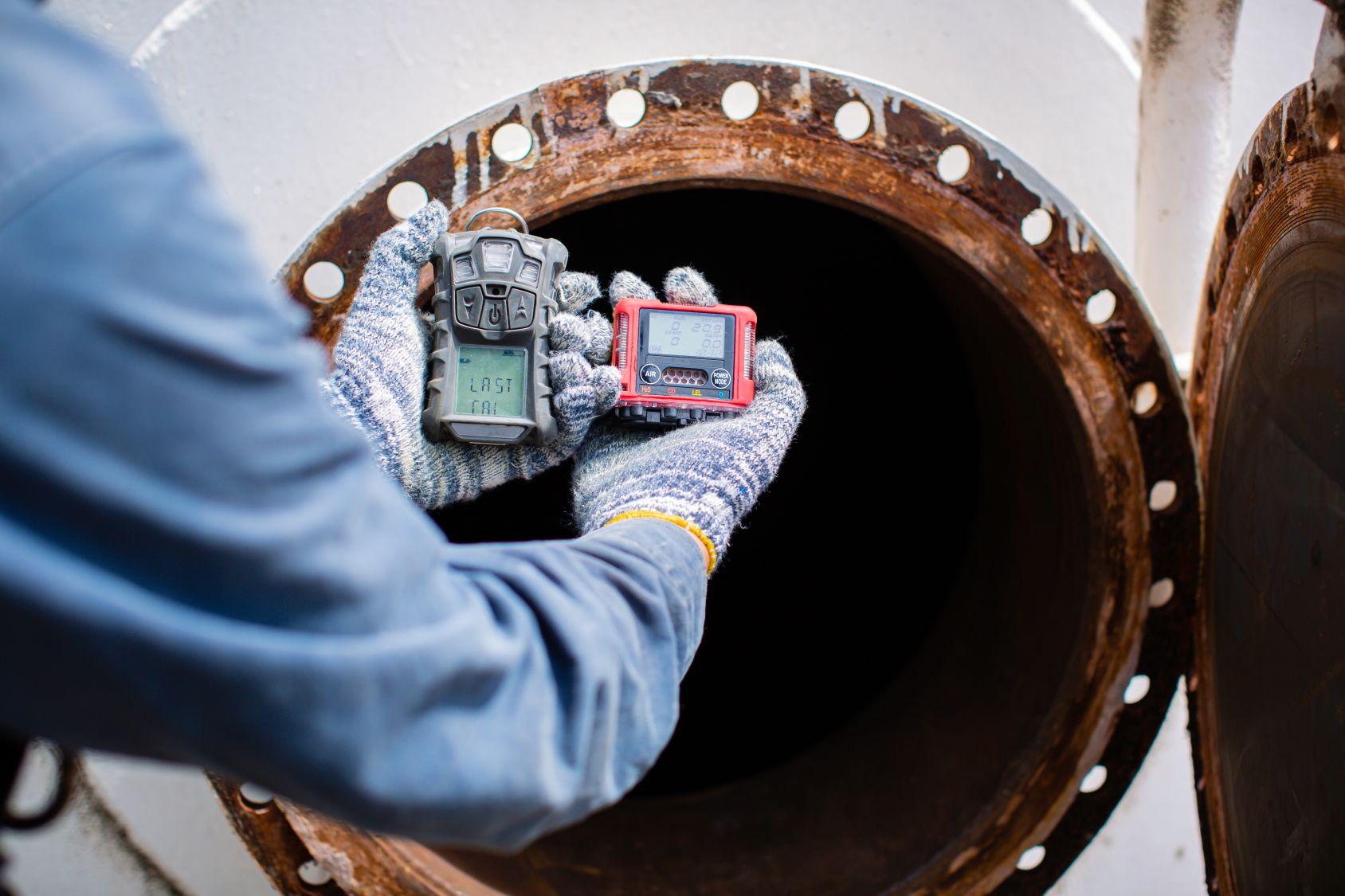
The Gas Test Atmospheres course is designed for workers operating in mining, construction, oil & gas, manufacturing, and industrial environments where atmospheric hazards may be present. Participants will learn how to safely test atmospheres, operate gas monitoring equipment, and comply with workplace safety requirements.
Understanding atmospheric hazards and workplace requirements.
Learning the fundamentals of gas detection and monitoring.
Using portable gas detectors and monitoring devices correctly.
Conducting atmospheric testing before and during work activities.
Recognising hazardous gases, vapours, and oxygen-deficient environments.
Understanding gas readings and determining safe working conditions.
Implementing controls to minimise atmospheric hazards.
Applying gas testing procedures in confined space environments.
Responding to atmospheric hazards and unsafe conditions.
Hands-on gas testing exercises and competency assessment.
Learn gas detection and atmospheric testing procedures
Covers use of gas testing equipment
Identify hazardous atmospheres and safety risks
Essential for confined space and industrial work
Practical hands-on safety training
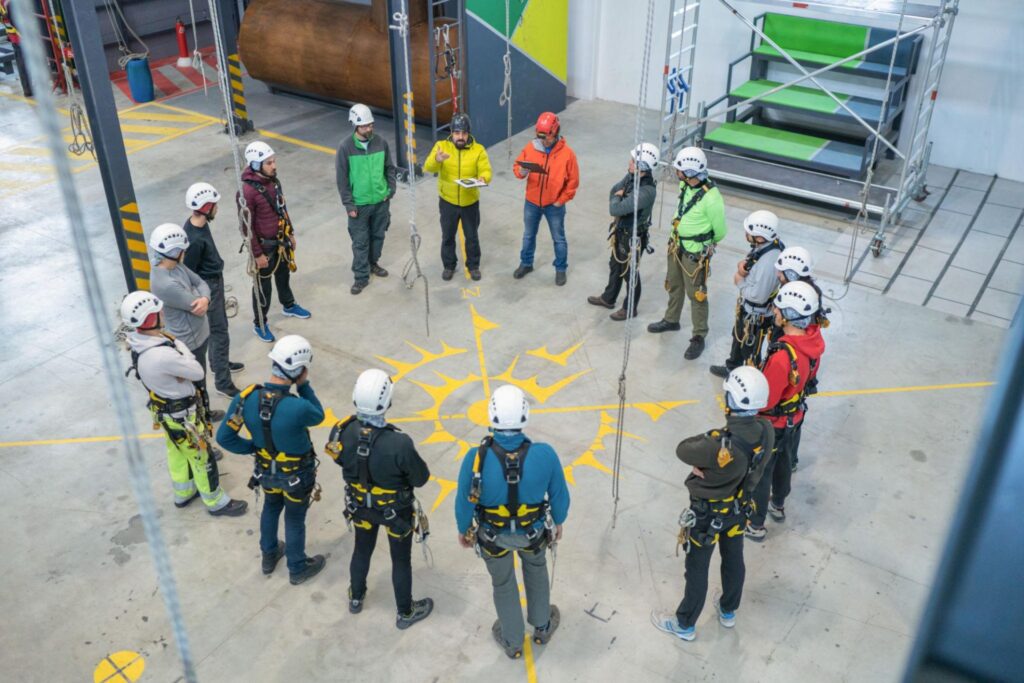
Gain the practical knowledge and confidence required to safely test atmospheres, identify hazards, and maintain compliance in high-risk industrial environments.
Working in hazardous industrial environments requires more than experience—it requires the ability to identify dangers before they become life-threatening incidents. The MSMWHS217 Gas Test Atmospheres course provides workers with the practical skills and knowledge needed to safely test, monitor and assess workplace atmospheres using specialised gas detection equipment. This nationally recognised unit of competency is designed for workers who are required to conduct atmospheric testing before commencing work in potentially hazardous environments. The training equips participants with the skills to identify dangerous gases, assess oxygen levels, interpret monitoring results and take appropriate actions to maintain a safe workplace.
Across Australia, industries such as mining, construction, oil and gas, utilities, manufacturing, telecommunications, shutdown operations and infrastructure projects require workers to hold MSMWHS217 Gas Test Atmospheres certification due to the critical role atmospheric monitoring plays in workplace safety. The unit is widely used alongside confined space and permit-to-work systems.
Many workplace hazards cannot be seen, smelled or immediately detected without specialised equipment. Harmful gases, oxygen-deficient atmospheres and explosive gas mixtures can develop unexpectedly and place workers at serious risk.
Without proper testing, workers may unknowingly enter areas containing:
Atmospheric hazards are commonly found in:
The purpose of Gas Test Atmospheres Training is to ensure workers can accurately assess atmospheric conditions and determine whether an area is safe for entry and work activities.
Participants learn how to conduct systematic atmospheric testing using approved industry methods and workplace procedures.
The course provides practical experience using modern Gas Detection Equipment, including multi-gas detectors and atmospheric monitoring devices.
Students learn how to recognise dangerous conditions and implement appropriate control measures.
The unit is widely recognised as a mandatory requirement for many high-risk workplaces.
Training combines theoretical learning with real-world practical exercises to ensure competency in workplace situations.
Upon successful completion of the Gas Test Atmospheres Course, participants will be able to:
A hazardous atmosphere exists when airborne contaminants or environmental conditions create a risk to health, safety or property.
Examples include:
When oxygen levels fall below safe limits, workers may experience:
Excess oxygen significantly increases fire and explosion risks.
Many industrial gases become dangerous when concentrations reach explosive levels.
Examples include:
Workers learn how to perform LEL Testing (Lower Explosive Limit testing) to determine whether gas concentrations are approaching dangerous levels.
Workers are trained to identify and monitor toxic gases such as:
Exposure can cause serious health consequences and may become fatal without proper controls.
A major component of the course involves practical operation of industry-standard Gas Detection Equipment.
Participants learn:
Workers gain confidence in operating modern gas detectors in real workplace environments.
Accurate readings depend on properly calibrated equipment.
Students learn:
Understanding Gas Detector Calibration ensures workplace testing remains accurate and compliant.
Effective Atmospheric Monitoring requires more than simply taking a single reading.
Participants learn how to:
This knowledge is essential for maintaining safe work environments.
The course teaches comprehensive Workplace Hazard Identification techniques.
Workers learn to recognise:
Hazard identification forms a critical part of all workplace safety systems.
One of the most common applications of Confined Space Gas Testing is verifying safe entry conditions before work begins.
Examples include:
Workers learn how to test atmospheres before entry and continue monitoring throughout the task.
Gas testing often forms part of formal Work Permit Systems.
Participants learn how atmospheric testing integrates with:
Accurate gas testing supports compliance with workplace safety requirements.
Effective atmospheric testing must be supported by proper Risk Assessment processes.
Students learn how to:
Control measures may include:
Participants learn how PPE supports atmospheric safety.
Examples include:
Proper PPE selection forms part of broader hazard control strategies.
Australian workplaces must comply with Work Health and Safety requirements.
This WHS Safety Training course aligns with industry expectations and helps workers understand:
Compliance helps protect workers and organisations alike.
Unlike purely theoretical programs, this course includes practical activities that simulate workplace conditions.
Participants complete exercises involving:
Practical learning ensures participants can confidently apply their knowledge on-site.
To demonstrate competency, participants must successfully complete assessment activities that may include:
Assessment confirms the ability to safely perform atmospheric testing activities.
The Gas Testing Training Australia unit is highly valued across numerous industries.
These include:
Monitoring underground and surface operations.
Testing potentially hazardous atmospheres.
Supporting confined space and excavation activities.
Managing industrial process risks.
Maintaining underground infrastructure.
Working in underground pits and service chambers.
Ensuring worker safety during maintenance activities.
Protecting personnel during construction and maintenance work.
Completing MSMWHS217 Gas Test Atmospheres can support employment opportunities including:
Many employers across Australia prefer workers who already hold current gas testing qualifications.
Upon successful completion of the course, participants receive a nationally recognised Statement of Attainment for:
This certification demonstrates competency in atmospheric testing procedures and can be used across Australia where the unit is accepted by employers and site operators.
By completing MSMWHS217 Gas Test Atmospheres Training, you will gain:
✓ Nationally recognised certification
✓ Practical hands-on experience
✓ Industry-relevant skills
✓ Increased workplace safety awareness
✓ Greater employability
✓ Compliance with workplace requirements
✓ Confidence using gas detection equipment
✓ Understanding of hazardous atmospheres
✓ Knowledge of Australian WHS expectations
✓ Skills applicable across multiple industries
It is a nationally recognised unit that teaches workers how to safely test and monitor workplace atmospheres using electronic gas detection equipment.
Yes. Many employers require Confined Space Gas Testing competency before workers can participate in confined space activities.
Workers typically monitor oxygen levels, combustible gases and toxic gases such as hydrogen sulphide and carbon monoxide.
Yes. Participants receive practical training using industry-standard Gas Detection Equipment.
Anyone working in mining, construction, oil and gas, utilities, manufacturing, telecommunications, shutdown operations or confined space environments.
Yes. Successful participants receive a nationally recognised Statement of Attainment for MSMWHS217 Gas Test Atmospheres.
Build the skills needed to identify hazardous atmospheres, operate gas detection equipment and maintain safer workplaces with MSMWHS217 Gas Test Atmospheres training. This nationally recognised course provides practical knowledge, real-world experience and industry-recognised certification that supports safer operations across Australia’s mining, construction, utilities, oil and gas, manufacturing and infrastructure sectors. Whether you are entering the industry for the first time or refreshing existing skills, Gas Testing Training Australia helps you meet workplace requirements and strengthen your professional qualifications.