
Work Safely
at Heights
Work Safely at Heights covers the skills to work anywhere a fall could injure you: identifying fall hazards, assessing risk, choosing and using fall prevention and fall arrest equipment, inspecting your gear, working safely off ladders and scaffolds, and knowing what happens in a rescue. It is for construction, mining, maintenance, telecommunications and industrial workers, and anyone who needs a current working at heights ticket for site access.
About this course
Working at heights is any task where a person could fall and be hurt: roof work, scaffolding, ladders and elevated platforms, towers and structural frames, elevated machinery maintenance, tank tops and the like. Falls from height are one of the most common causes of serious injury and death on Australian work sites, and employers are legally required to make sure workers are trained before they work where a fall is possible.
The course is designed for workers in mining, construction, maintenance, telecommunications, utilities and industrial settings. It covers how to identify height-related hazards, assess the risk, use fall protection equipment correctly and perform the work safely in line with WHS regulations.
Who it is for
- Construction workers, including roofing and scaffolding
- Mining operators maintaining elevated machinery, surface and underground
- Maintenance technicians and industrial contractors
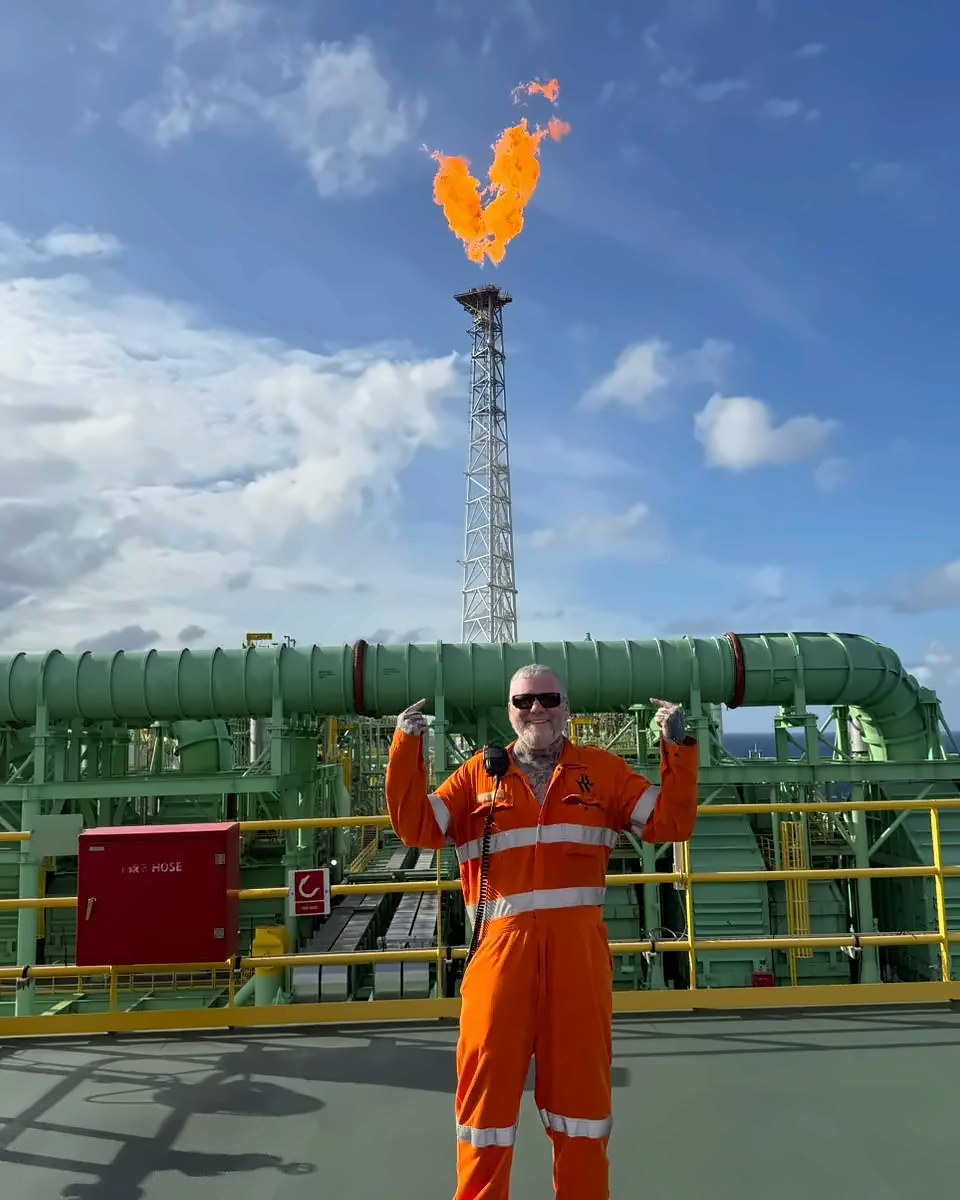
- Oil and gas personnel on platforms and elevated plant
- Telecommunications technicians climbing towers and installing equipment
- Facility and engineering maintenance crews
What it covers
- Introduction to working at heights.Legislation, responsibilities and safety requirements.
- Hazard identification.Unprotected edges, fragile roofing, unsafe ladders and scaffolds, weather, electrical hazards near elevated areas and poor lighting.
- Risk assessment.Identifying hazards, assessing the risk, putting controls in place, monitoring them and reviewing the procedure.
- Fall prevention systems.Guardrails and barriers, safe access systems, stable working platforms, anchor points, lifelines and fall arrest systems. Prevention comes before arrest, because it removes the risk at the source.
- Safety equipment.Inspecting and correctly using full-body harnesses, energy-absorbing lanyards, anchor points and lifelines; correct fitting, identifying damaged PPE, safe anchorage and fall clearance calculations.
- Safe work procedures.Planning and carrying out tasks at height.
- Emergency response planning.Rescue procedures, rescue kits, communication, first aid coordination and incident reporting.
- Equipment inspection.Pre-use checks and identifying defective equipment.
- Workplace compliance.Legal and workplace safety obligations.
- Practical assessment.Hands-on work with height safety equipment and systems.
What you will be able to do
- Identify fall hazards before starting work and report them
- Carry out a risk assessment for work at height
- Select, inspect, fit and use harnesses, lanyards, anchor points and fall arrest systems
- Work safely from ladders and scaffolds
- Understand the emergency and rescue plan for the job
- Meet WHS obligations for work at height
Ladders and scaffolds
Safe access to the elevated area gets its own attention. On ladders: maintain three points of contact, inspect before use, secure the footing and do not overreach. On scaffolds: check the installation, stability and load capacity, use guardrails and toe boards, and inspect before each use.
Why it matters
Under Australian WHS regulations, employers must make sure anyone working at height is properly trained, equipped, supervised where required and following approved procedures. Falling short brings legal penalties, workplace shutdowns and financial liability, and, more to the point, injured people. Improper use of equipment is one of the main causes of falls, which is why the course spends its time on fitting, inspection and anchorage rather than on theory alone.
Frequently
asked questions
Is it hands-on?
Yes. Ask Glen about the practical set-up when you book.
Do I need it for mine site access?
Many mine and construction sites require a current working at heights competency before a worker goes on. Check your site's requirement.
Book a seat on a set date
Booking yourself or a few people onto a date listed here? Pick the date and book online. For a group, training on your site or a date that is not listed, get a quote.
Get a quote
Tell Glen how many people need the working at heights ticket, where they are and when. He will quote the course for your site.