
 Skip to content
 This nationally recognised training unit provides participants with the skills and knowledge required to safely enter, work in, and exit confined spaces across various industries. The course focuses on hazard identification, risk assessment, permit systems, atmospheric monitoring, emergency procedures, and compliance with workplace safety requirements.
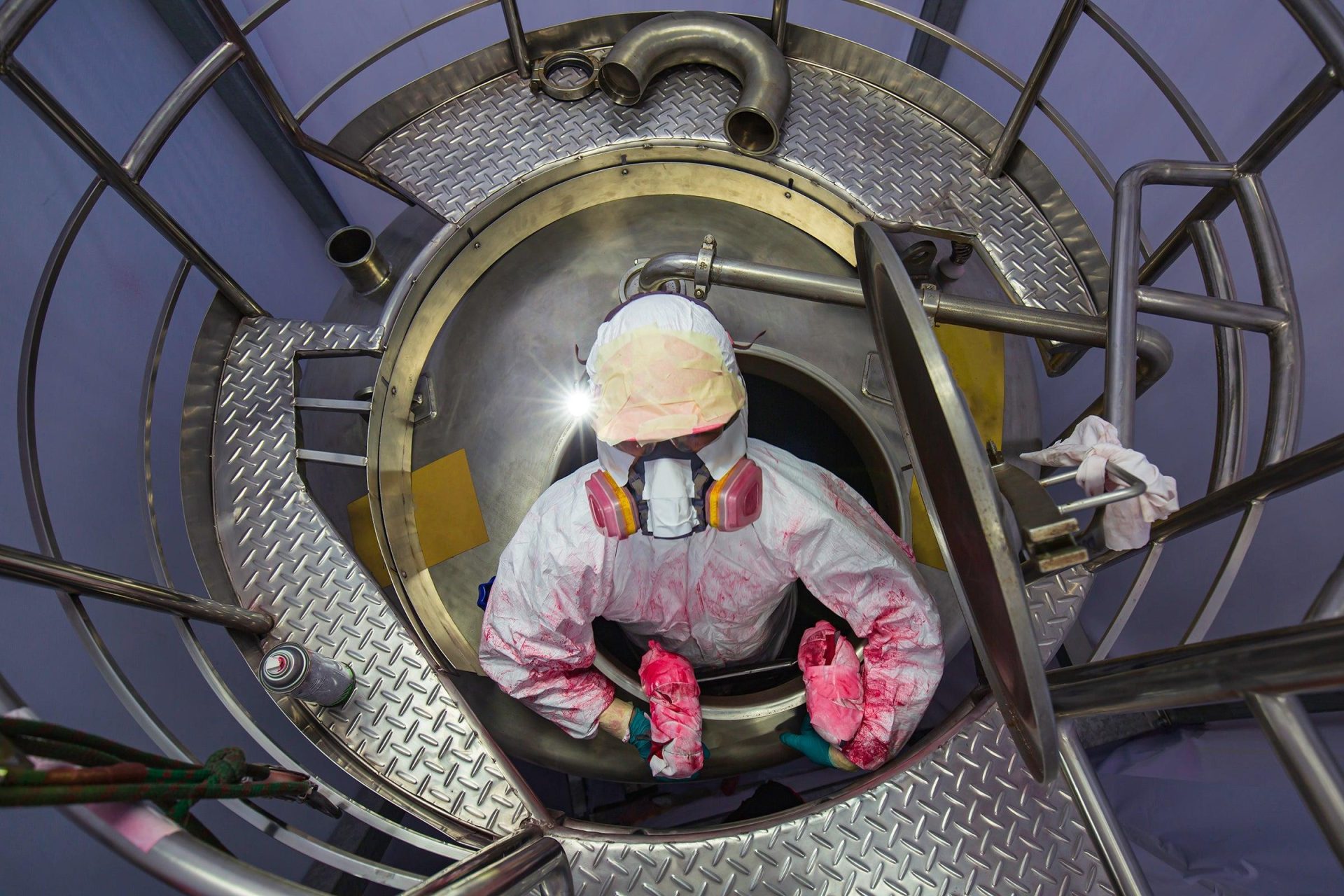
The Enter and Work in Confined Spaces course is designed for workers operating in mining, construction, oil & gas, utilities, manufacturing, and industrial environments. Participants will learn how to identify confined space hazards, implement control measures, and safely perform tasks in accordance with industry regulations.
Understanding confined space definitions, classifications, and regulations.
Recognising atmospheric, physical, mechanical, and environmental hazards.
Conducting risk assessments before entering confined spaces.
Understanding confined space entry permits and authorisation requirements.
Monitoring oxygen levels, gases, vapours, and contaminants.
Using PPE, gas detectors, communication systems, and rescue equipment.
Safe entry, work practices, and exit procedures.
Understanding emergency procedures and rescue planning.
Meeting legal and workplace safety requirements.
Hands-on confined space entry and safety exercises.
Learn confined space entry requirements and procedures
Covers hazard identification and risk control
Includes emergency and rescue awareness
Essential for mining, construction, and oil & gas industries
Nationally recognised safety training
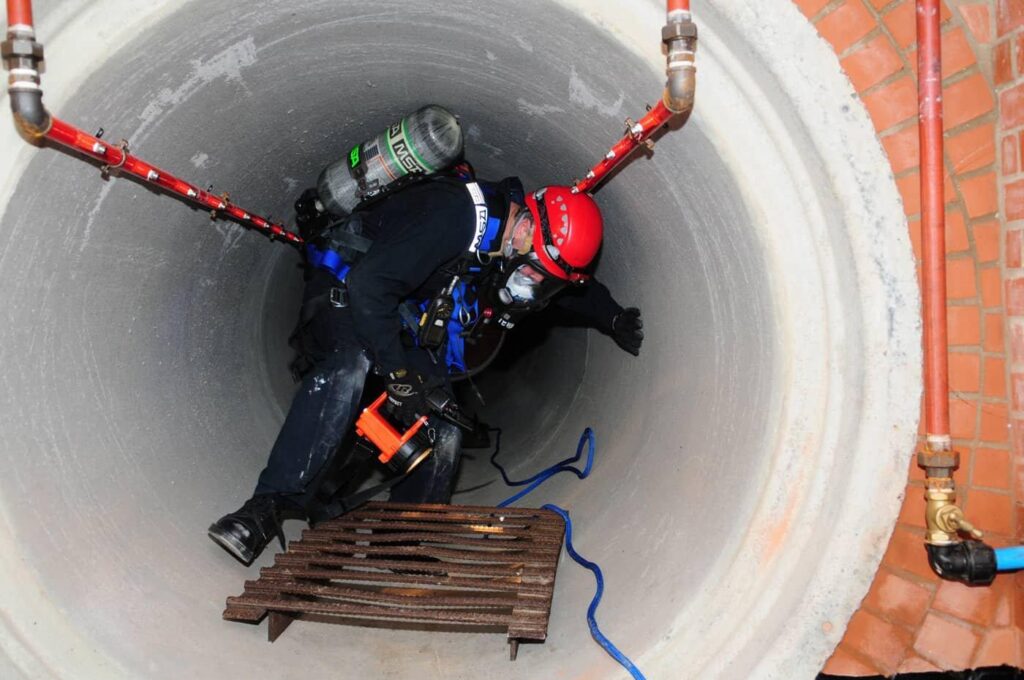
Develop the practical skills and safety awareness required to confidently enter and work in confined spaces while meeting industry and workplace compliance requirements.
The PMAOPS331 Enter and Work in Confined Spaces course provides workers with the practical skills and theoretical knowledge required to safely enter, work within, and exit confined spaces across a wide range of Australian industries. This nationally recognised training program focuses on identifying workplace hazards, implementing effective risk controls, following safe entry procedures, and understanding emergency response requirements.
Confined spaces are among the most hazardous work environments in Australia. Every year, serious injuries and fatalities occur due to poor ventilation, toxic atmospheres, oxygen deficiency, engulfment hazards, and inadequate rescue planning. Workers who enter tanks, silos, pits, shafts, vessels, pipelines, storage facilities, tunnels, and other enclosed environments must understand the risks involved and apply strict safety procedures to protect themselves and others. This PMAOPS331 Enter and Work in Confined Spaces training course has been designed to meet industry expectations and workplace safety requirements within Australia’s mining, construction, manufacturing, utilities, oil and gas, maintenance, transport, and infrastructure sectors.
Whether you are entering a confined space for the first time or refreshing your existing skills, this course equips you with the knowledge necessary to work safely, confidently, and in compliance with workplace health and safety requirements.
A confined space is an enclosed or partially enclosed area that is not primarily designed for continuous occupancy but may present risks to health and safety due to its design, atmosphere, or operating conditions.
Examples include:
These environments can contain hazardous atmospheres, limited access points, poor ventilation, moving equipment, electrical hazards, or engulfment risks. Workers entering these spaces must follow strict confined space entry procedures, conduct thorough inspections, and comply with all workplace safety requirements before work begins.
Working in confined spaces exposes workers to unique hazards that can quickly become life-threatening if not properly controlled.
Common incidents include:
Without proper Confined Space Training Australia, workers may not recognise these dangers until it is too late.
This training helps participants understand:
Proper training significantly reduces workplace incidents and improves overall safety performance.
The PMAOPS331 Enter and Work in Confined Spaces course focuses on the skills and knowledge required to:
Participants develop practical competencies that can be applied immediately within real workplace environments.
This course is suitable for workers whose job roles involve entering or working within confined spaces.
Industries that commonly require this qualification include:
Workers involved in:
Personnel working in:
Workers entering:
Employees responsible for:
Personnel working in:
Workers entering:
Upon successful completion of this Enter and Work in Confined Spaces Course, participants will be able to:
One of the most critical aspects of confined space work is effective Confined Space Hazard Identification.
Workers must be able to identify hazards before entry occurs.
Common hazards include:
Atmospheric hazards are often invisible and can rapidly become fatal.
Examples include:
Understanding atmospheric testing and gas monitoring requirements is essential before entry.
Examples include:
Workers may become trapped by:
Potential risks include:
Before entry, workers must conduct a comprehensive Confined Space Risk Assessment.
The risk assessment process involves:
All potential hazards must be identified.
Workers determine:
Appropriate control measures are selected.
Controls must remain effective throughout the work activity.
A risk assessment helps prevent incidents and ensures compliance with workplace safety procedures.
After hazards have been identified, suitable risk control measures must be implemented.
Examples include:
Removing the hazard completely.
Replacing dangerous materials or processes.
Applying isolation procedures to prevent exposure.
Examples include:
Examples include:
Using appropriate PPE as the final layer of protection.
A confined space permit is a critical safety document used to control entry into hazardous areas.
Permits help ensure:
Permit systems typically include:
Permit systems form a vital component of workplace safety management.
Before entering a confined space, workers must verify that the atmosphere is safe.
Atmospheric testing is conducted to identify:
Continuous gas monitoring may also be required throughout the job.
Testing equipment must be:
Failure to monitor atmospheric conditions can lead to serious incidents and fatalities.
Selecting the correct PPE requirements is essential for worker protection.
Common PPE includes:
Workers learn how to:
Following Confined Space Entry Procedures is mandatory before any work begins.
Entry procedures generally include:
Exit procedures include:
Effective communication plays a critical role in confined space safety.
Workers must maintain communication with:
Communication methods may include:
Reliable communication ensures rapid response during emergencies.
A safety observer or standby person provides an additional layer of protection during confined space operations.
Responsibilities include:
Understanding standby person responsibilities is an essential component of confined space operations.
One of the most important elements of the PMAOPS331 Enter and Work in Confined Spaces course is emergency response awareness.
Participants learn:
Workers must understand that rescue operations in confined spaces require specialised training and equipment.
Emergency planning includes:
A well-prepared response can save lives when incidents occur.
Australian employers have a legal obligation to provide safe systems of work.
This includes:
Completing Nationally Recognised Safety Training helps organisations meet workplace safety expectations while supporting a strong safety culture.
This qualification is highly valued across:
Workers holding Confined Space Certification Australia often gain access to a wider range of employment opportunities across high-risk industries.
Completing this course may help workers:
Many Australian employers actively seek workers who hold recognised confined space qualifications.
The PMAOPS331 Enter and Work in Confined Spaces course provides comprehensive training aligned with industry requirements.
Key benefits include:
✔ Nationally Recognised Safety Training
✔ Practical workplace-focused learning
✔ Strong emphasis on hazard identification
✔ Comprehensive risk management training
✔ Emergency and rescue awareness
✔ Industry-relevant safety practices
✔ Suitable for multiple high-risk industries
✔ Improved workplace compliance
✔ Enhanced employability
✔ Increased worker confidence
PMAOPS331 Enter and Work in Confined Spaces is a nationally recognised training unit that teaches workers how to safely enter, work within, and exit confined spaces.
Anyone required to enter or work in confined spaces within industries such as mining, construction, manufacturing, utilities, maintenance, and oil and gas.
Common hazards include toxic gases, oxygen deficiency, engulfment, restricted access, electrical hazards, and explosive atmospheres.
Yes. The course includes emergency response and rescue awareness principles relevant to confined space work.
Atmospheric testing helps identify dangerous conditions before workers enter confined spaces, reducing the risk of injury or fatality.
Yes. Participants learn how confined space permits support safe work practices and legal compliance.
Build the skills, knowledge, and confidence required to work safely in confined environments with the PMAOPS331 Enter and Work in Confined Spaces course. Designed for Australian workplaces, this nationally recognised program helps workers identify hazards, manage risks, follow safe entry procedures, and contribute to safer workplaces across mining, construction, oil and gas, manufacturing, utilities, and infrastructure sectors.
Gain practical safety knowledge, strengthen workplace compliance, and prepare yourself for the challenges of confined space operations through industry-relevant training that supports safer outcomes for everyone on site.